
Unlocking Calm: The Benefits of Mindfulness Based Stress Reduction

Stress affects millions of people every day. It often leads to both physical and mental health challenges. Finding effective ways to manage stress is essential for improving overall well-being. Mindfulness-Based Stress Reduction (MBSR) offers a practical, evidence-based approach to help individuals reduce stress and enhance their quality of life.
Discover the Power of Mindfulness-Based Stress Reduction
Benefits of MBSR
Get unstuck
Feel calmer and more at ease
Find greater freedom from anxiety and overwhelm
Share connection & community support with others on a similar journey
Gain a comprehensive set of tools and practices to boost your well-being
MBSR infuses the energy of mindfulness into your everyday life. It systematically trains your mind to break free from cycles of stress, anxiety, exhaustion, and unhappiness.
MBSR is the #1 most scientifically researched mindfulness program in the world. The Pause MBSR program has helped hundreds of participants get unstuck, find greater freedom from anxiety and overwhelm, and discover a deeper sense of resilience in everyday life. Find Your Next MBSR
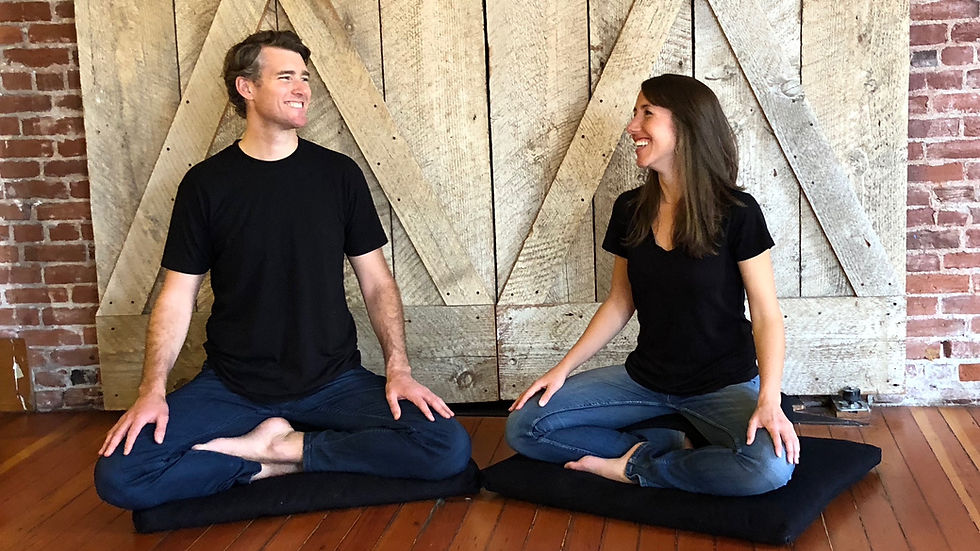
What is Mindfulness-Based Stress Reduction?
MBSR is an eight-week program developed by Dr. Jon Kabat-Zinn in the late 1970s. It combines mindfulness meditation, body awareness, and gentle yoga. The aim is to help participants become more aware of the present moment. The goal is to cultivate a non-judgmental awareness of thoughts, feelings, and bodily sensations.
Unlike quick fixes or medication, MBSR teaches skills that people can use daily. These skills help manage stress and respond to challenges with greater calm and clarity. The program typically includes weekly group sessions, guided meditation practices, and homework exercises.
How MBSR Works to Reduce Stress
Stress often arises from worrying about the past or future. It can also stem from reacting automatically to difficult situations. MBSR encourages a shift in perspective by:
Focusing attention on the present moment
Observing thoughts and feelings without judgment
Recognizing habitual stress responses
Developing healthier ways to respond to stress
Through regular practice, participants learn to pause before reacting. This can reduce anxiety and emotional reactivity. Mindfulness also helps improve concentration and emotional regulation.
Key Benefits of Taking an MBSR Course
1. Reduced Anxiety and Depression Symptoms
Research shows that MBSR can significantly lower symptoms of anxiety and depression. A study published in the Journal of Clinical Psychology found that participants experienced reduced rumination and negative thinking after completing the course. This effect helps break the cycle of stress and worry.
2. Improved Physical Health
Stress impacts the body in many ways. It can lead to increased blood pressure, muscle tension, and weakened immune function. MBSR has been linked to lower blood pressure and reduced chronic pain. For example, people with conditions like fibromyalgia or arthritis often report less pain and better coping skills after MBSR.
3. Enhanced Emotional Resilience
By practicing mindfulness, individuals develop greater emotional resilience. This means they can handle setbacks and difficult emotions with more ease. Instead of feeling overwhelmed, they learn to observe emotions and let them pass without getting stuck.
4. Better Sleep Quality
Stress often disrupts sleep, leading to fatigue and reduced focus. MBSR helps calm the mind and body. This makes it easier to fall asleep and stay asleep. Participants frequently report improved sleep patterns after the course.
5. Increased Focus and Productivity
Mindfulness practice strengthens attention and reduces distractions. This can improve productivity at work or school. People who complete MBSR often find they can concentrate better and complete tasks more efficiently.
What to Expect in an MBSR Course
An MBSR course usually includes:
Weekly group sessions lasting 2 to 2.5 hours for 8 weeks
A full-day silent retreat during the program
Guided mindfulness meditation practices
Gentle yoga and body scan exercises
Homework assignments to practice daily
The group setting provides support and shared learning. Meanwhile, the structured format helps build a consistent mindfulness habit.
Final Thoughts on Mindfulness-Based Stress Reduction
I took my first MBSR course during the pandemic to help build my emotional resilience. It was the best gift to myself, my loved ones, and the way I showed up at work. It offered me emotional resilience and so much more! So much so that I recommend MBSR to nearly all of my patients. I highly recommend checking out Pause Meditation for their upcoming MBSR offerings as well as free info sessions to see if this program would be a good fit for you: https://www.pausemeditation.org/mbsr
Embracing a Mindful Journey
Starting your journey with MBSR can be transformative. It’s not just about reducing stress; it’s about embracing a new way of living. You’ll discover tools that empower you to face life’s challenges with grace and resilience.
Building a Mindful Community
One of the most beautiful aspects of MBSR is the sense of community it fosters. You’ll connect with others on a similar journey, sharing experiences and insights. This connection can be incredibly uplifting and motivating.
Personal Growth Through Mindfulness
As you progress through the MBSR program, you’ll notice changes not just in how you handle stress, but in how you approach life. You’ll cultivate a deeper understanding of yourself and your reactions. This self-awareness is key to personal growth and lasting change.
Making Mindfulness a Daily Habit
Incorporating mindfulness into your daily routine can lead to profound changes. Whether it’s through meditation, yoga, or simply taking a moment to breathe, these practices can enhance your overall well-being.
Conclusion: Your Path to Wellness
MBSR is more than just a program; it’s a pathway to wellness. By embracing mindfulness, you’re taking a significant step toward a healthier, more balanced life. So why wait? Begin your journey today and discover the incredible benefits of mindfulness-based stress reduction!



Comments